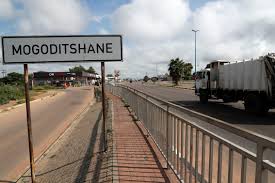
The corridor
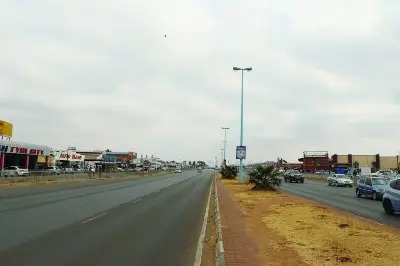
Commerce follows the road.
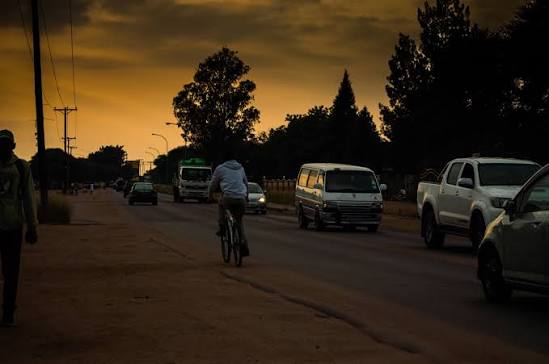
The main route through the settlement carries the daily movement between Mogoditshane and
Gaborone, and the trade has arranged itself along it: hardware, motor spares, groceries,
salons, workshops. It is one of the busiest small-business corridors in the Greater Gaborone area,
built almost entirely by residents rather than by master plan.
The commute
Ten kilometres from the capital.
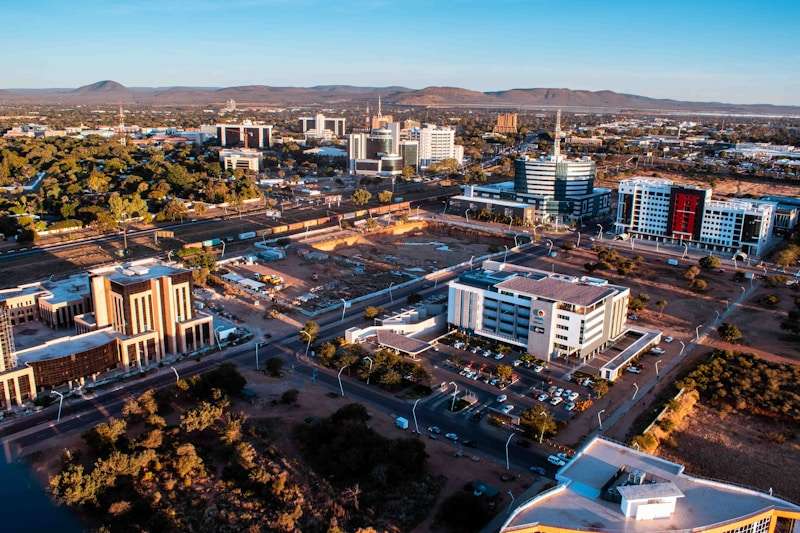
Proximity is the constituency's founding advantage. Households here reach the Gaborone
central business district in a short run, which is why Mogoditshane absorbed so much of
the capital's growth. Kweneng East now carries 14 per cent of Botswana's entire
population, the largest share of any district.
The kgotla
Decisions still made face to face.
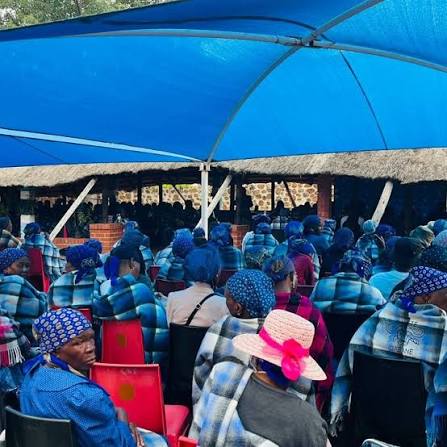
For all the growth, the constituency remains a place where matters are raised in person,
in front of neighbours. Community meetings are where land, water, lighting and safety are
argued out, and they are the fastest route into the constituency for anyone who wants to
understand it properly.
The young majority
A constituency of new households.
About 37.7 per cent of residents are aged between 15 and 35, and roughly 514 new
households form here every year. Household formation, not migration alone, is what drives
demand for housing, schooling, clinics and everything sold in between.
The boundary
A new seat with an old name.
In 2024 Mogoditshane was divided in two. Mogoditshane East covers the eastern half of the
town across twenty square kilometres, wholly urban, and returned its first Member of
Parliament that October. Everything on this site dates from that starting line.
 Edd Branson Publishers